How to Manage Stress
Posted On:
Life can be stressful. You may feel stressed about performance at work, traumatic events (such as a pandemic, a natural disaster, or an act of violence), or a life change. Everyone feels stress from time to time.
What is stress?
Stress is the physical or mental response to an external cause, such as having a lot to do at work or being ill. A one-time or short-term occurrence can stress you, or it can happen repeatedly over a long time.
When do I seek help?
Stress can affect your mind and body. You may experience symptoms such as Worrying, tension headaches, body pain, high blood pressure, or sleep loss. These things can be signs of stress. Usually, it involves a persistent feeling of dread that doesn't go away. This interferes with how you live your life.
It’s important to manage your stress. Everyone experiences stress, and sometimes that stress can feel overwhelming. You may be at risk if you feel you can’t manage the stress and if its symptoms interfere with your everyday life. Does stress cause you to avoid doing things? Does it always seem to be present?

Healthy ways to cope with stress
Learning to cope in a healthy way can help reduce your stress. Taking small steps in your daily life to manage stress can have a big impact. Everyone manages stress differently. You can identify and manage the triggers that cause your stress and find the right combination of healthy techniques that work for you.
- Take care of your mind; take breaks from news and social media. It is good to be informed, but constant exposure to negative news can be upsetting.
- Make time to unwind; take deep breaths, stretch, or meditate.
- Download an app that provides relaxation exercises (such as deep breathing or visualization) or tips for practicing mindfulness, which is a psychological process of actively paying attention to the present moment.
- Keep a journal.
- Spend time outdoors either being active or relaxing; try to do some other relaxing activities you enjoy.
- Practice gratitude daily; remind yourself of specific things you are grateful for and write them down. Practicing gratitude every day can improve your physical and emotional well-being.
- Connect with others; talk with people you trust about your concerns and how you are feeling. Connect with your community or faith-based organizations.
- Take care of your body; get enough sleep, go to bed, and wake up at the same time each day to help you sleep better. Adults need 7 or more hours per night.
- Move more; staying physically healthy can improve your emotional well-being. Every little bit of physical activity helps. Start small and build up to 2 ½ hours a week. Break it into smaller amounts, such as 20 to 30 minutes a day.
- Eat healthy; have fruits and vegetables, lean protein, whole grains, and low-fat or no-fat dairy. Limit foods with unhealthy fats, salt, and added sugars.
- Limit alcohol intake; choose not to drink, or drink in moderation on days you drink alcohol. Moderation means: 2 drinks or less a day for men and 1 drink or less for women.
- Avoid drinking excess caffeine, such as soft drinks or coffee.
- Identify and challenge your negative and unhelpful thoughts.
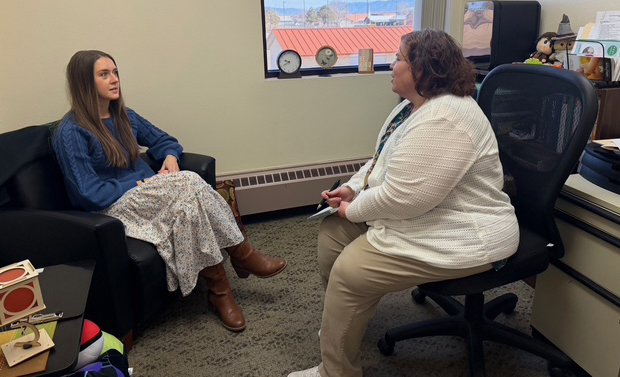
- Recognize when you need more help. If you are struggling to cope or the symptoms of your stress won’t go away, it may be time to talk to a professional. Psychotherapy (also called talk therapy) and medication are the two main treatments for stress, and many people benefit from a combination of the two.
- Avoid using illegal drugs or prescription drugs in ways other than prescribed. Don't take someone else's prescription.
- Avoid smoking, vaping, and the use of other tobacco products; people can quit smoking for good.
- Continuing with regular health appointments, tests, screenings, and vaccinations. Integration of physical and mental health.
The mission of the Behavioral Health Department at San Luis Valley Health is to improve the health of all patients by integrating behavioral health and medical services. Through counseling and therapy, we can help address the root of your problems and find new ways to tackle them. If you’re struggling with stress or could use some help coping, reach out to our behavioral health team. Contact us at 719-589-8008 to make an appointment today.